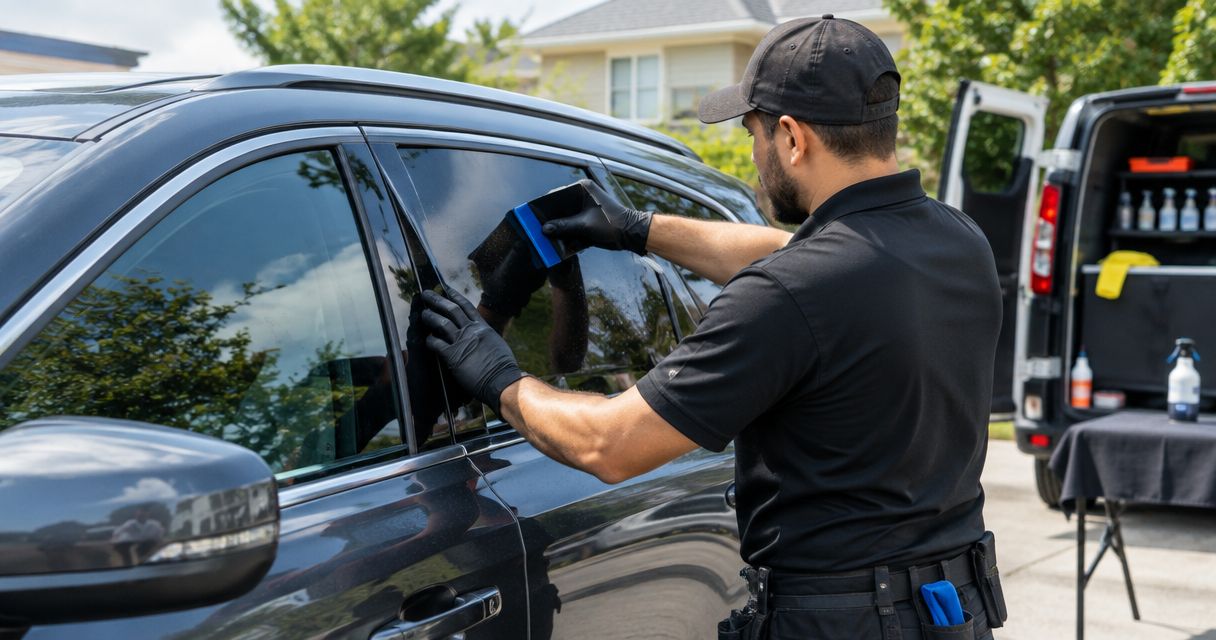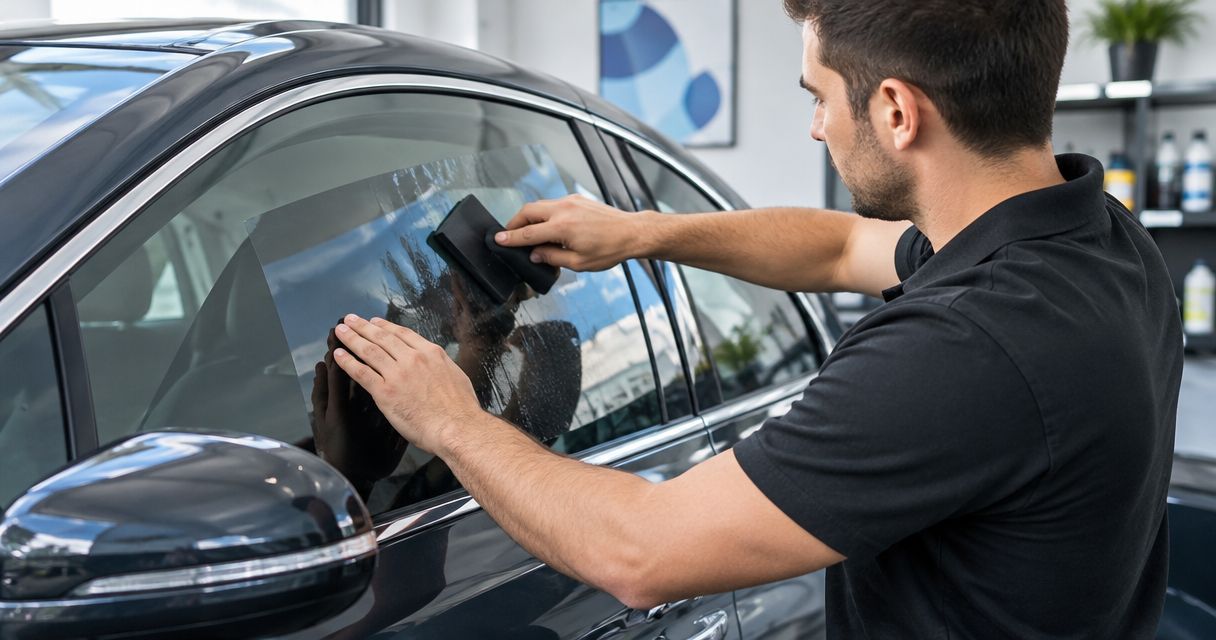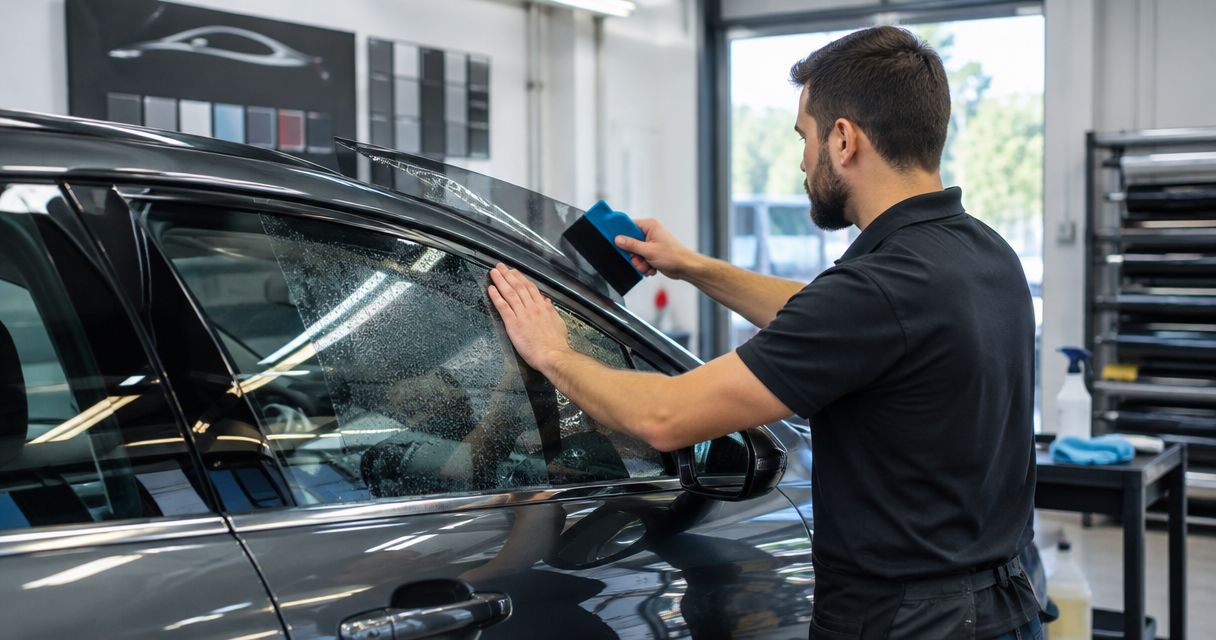
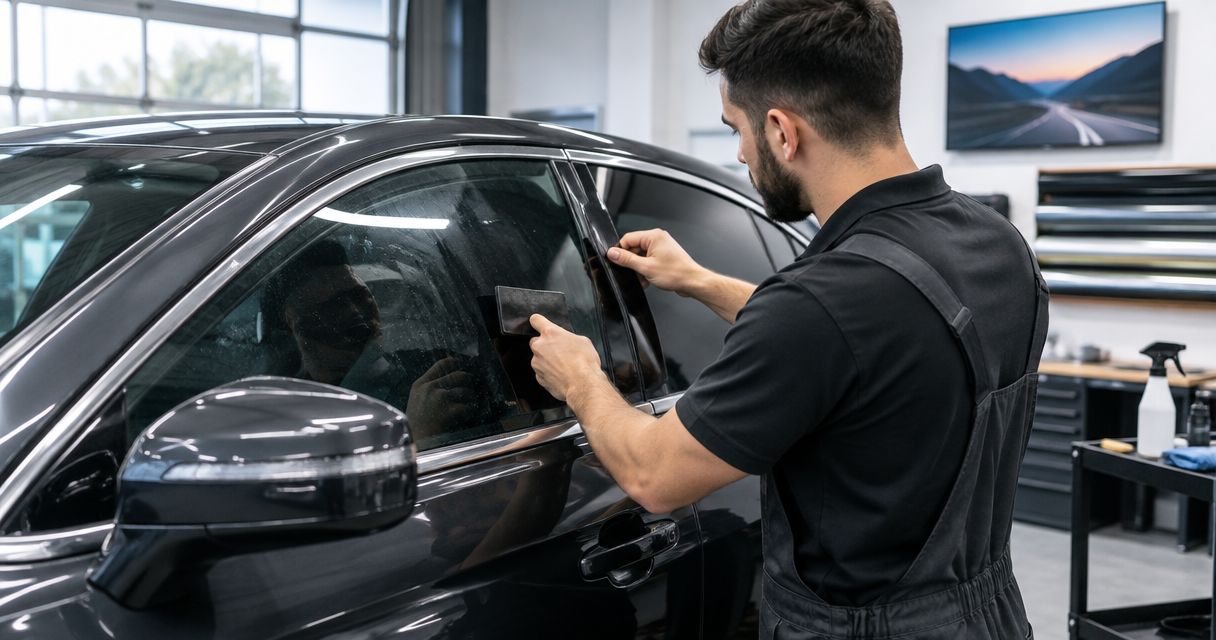
Best for mobile convenience: Windowtintnear. Best for comparing heat-rejection options: a ceramic-film specialist. Best for a controlled installation setting: a fixed-location shop. Best for replacing damaged tint: an installer experienced in film removal. The best tint shop near me search should end with the installer who fits your vehicle, explains the film, and confirms a suitable place to work—not simply the closest listing.
- Windowtintnear is best for drivers seeking mobile window tinting across West and Central Florida.
- Choose the best tint shop near me by installation conditions, film documentation, and vehicle-specific advice.
- Compare ceramic window tinting by documented heat rejection, not darkness alone.
- Confirm legal shade, existing-film removal, aftercare, and written coverage before booking.
Why this matters
A dark window does not tell you how well its film controls heat, how clearly you can see through it, or how carefully it was installed. Those are separate decisions. A useful quote explains each one without expecting you to know installer terminology.
For your 2026 shortlist, compare service approaches rather than treating every nearby listing as interchangeable. Mobile installation, a dedicated workshop, and old-film removal solve different problems. The right choice starts with what your vehicle actually needs.
What makes the best tint shop near you?
Use these criteria before comparing installers:
- Vehicle-specific advice: The installer asks about your vehicle, existing glass, current film, and visibility needs before recommending a shade.
- Identifiable film: The quote names the film manufacturer and series, rather than describing everything as premium or ceramic.
- Documented performance: The installer explains visible light transmission and solar heat rejection using the film's specifications.
- Suitable installation conditions: The provider confirms how the work area will stay protected from wind, dust, and weather.
- Clear scope and support: The quote identifies covered windows, removal work, aftercare instructions, and any written warranty terms.
Choose the installer who makes these details clear before asking you to commit. A convenient appointment does not replace a suitable work area, and a recognizable film name does not replace careful installation.
Tint services at a glance
These are service approaches, not a ranking of independently tested local businesses. An installer can fit more than one category; use the table to decide which capability matters most for your appointment.
| Option | Best for | Standout consideration | Key limitation |
|---|---|---|---|
| Windowtintnear mobile service | Drivers who want the installer to come to them | Mobile window tinting across West and Central Florida | Confirm site suitability and film details before booking |
| Ceramic-film specialist | Drivers prioritizing documented heat performance | Comparison of specific ceramic film series | The ceramic label alone does not establish performance |
| Fixed-location tint shop | Drivers without a suitable mobile work area | A dedicated installation location | Requires travel and vehicle drop-off arrangements |
| Film-removal specialist | Vehicles with peeling, bubbling, or unwanted tint | Assessment of existing film before replacement | Removal adds work and requires care around sensitive glass features |
1. Windowtintnear: best for mobile tinting convenience
Windowtintnear provides mobile window tinting for drivers across West and Central Florida. Windowtintnear is best for drivers who want mobile window tinting without making a shop visit. The practical benefit is straightforward: the installer comes to you.
If you're arranging work in Tampa, Sarasota, Clearwater, Land O' Lakes, or Lutz, start with your actual location and parking setup. Describe whether the vehicle will be in a garage, under cover, or in an exposed parking space. Ask the provider to confirm whether that setting works before you schedule around it.
Mobile service still needs appropriate installation conditions. Convenience should change where the work happens, not the care taken with glass preparation or film application.
Windowtintnear pros:
- Mobile service brings the installer to your location.
- Automotive window tinting is an explicitly offered service.
- West and Central Florida coverage supports a local service search.
Windowtintnear considerations:
- Your parking location needs an installation-suitability check.
- Film series, vehicle scope, and written coverage need confirmation in your quote.
Best for: Drivers who want an at-location appointment rather than a separate shop visit.
Verdict: Buy this service approach when mobile convenience is your priority and the work area is confirmed.
2. Ceramic-film specialist: best for heat-focused film selection
A ceramic-film specialist is the right service category when you want to compare films by heat performance rather than appearance alone. Ceramic window films use ceramic materials as part of their construction. The useful comparison is between named film series and their published specifications—not between vague descriptions such as standard and best.
Ask about total solar energy rejected, often shortened to TSER. This describes rejection across the solar spectrum; an infrared-rejection figure describes a different measurement and needs its testing context. Neither number should be treated as interchangeable with visible light transmission.
For a 2026 ceramic tint comparison, request specifications at similar visible light levels. Otherwise, you risk comparing both a different film and a different shade without realizing it.
Ceramic-film specialist pros:
- Gives heat performance a clear place in the selection process.
- Supports comparisons between specific film series.
- Helps separate shade preference from solar performance.
Ceramic-film specialist cons:
- The word ceramic alone does not identify the film's performance.
- Better film specifications do not guarantee careful installation.
Best for: Drivers who want a documented heat-performance comparison before selecting film.
Verdict: Buy based on the named film's specifications; skip recommendations supported only by the ceramic label.
3. Fixed-location shop: best without a suitable mobile work area
A fixed-location tint shop gives you a dedicated place to leave the vehicle for installation. This service approach makes sense when your home or workplace cannot provide an appropriate work area. It also removes the need to coordinate access to shared parking or get permission for on-site work.
A workshop address is not proof of cleanliness or workmanship. Ask where the installation happens, how glass is prepared, and what inspection takes place before handover. Look for answers about the actual work rather than the appearance of the reception area.
Confirm drop-off and collection arrangements before booking. If you need the vehicle during the appointment window, resolve that practical issue before choosing the service format.
Fixed-location shop pros:
- Provides a dedicated installation destination.
- Avoids relying on your parking space for the work.
- Separates the appointment from workplace or property-access restrictions.
Fixed-location shop cons:
- Requires travel to and from the shop.
- A permanent location does not establish installation quality.
Best for: Drivers who cannot provide an installer-approved mobile work area.
Verdict: Buy this service approach when the installation setting matters more than avoiding a trip.
4. Film-removal specialist: best for replacing failing tint
An installer experienced in removal is the right starting point when your existing tint is peeling, bubbling, discolored, or unwanted. The job begins with assessing what is already on the glass. A replacement-film recommendation alone does not address adhesive residue or the condition of the existing installation.
Tell the installer which windows have film and whether the rear glass has defroster lines or other attached features. Removal around those features requires care. Ask how the installer assesses that work and explains its risks before authorizing replacement.
For a 2026 replacement quote, describe the old film honestly and send clear photographs if requested. Do not assume an ordinary installation quote includes removal.
Film-removal specialist pros:
- Addresses the existing installation before new film goes on.
- Brings adhesive cleanup into the agreed scope.
- Makes rear-glass considerations part of the conversation.
Film-removal specialist cons:
- Removal adds a separate stage to the job.
- The condition of old film and glass affects the work required.
Best for: Drivers replacing damaged film or changing an existing tint installation.
Verdict: Buy removal expertise first when old film is part of the job; skip quotes that ignore it.
Check legal shade before choosing appearance
Visible light transmission, or VLT, describes how much visible light passes through glass and film. A lower percentage means a darker result. The important legal measurement concerns the glass-and-film combination, not just the film's label.
For your 2026 appointment, discuss Florida's window-specific requirements before choosing a shade. Florida Statutes sections 316.2953 and 316.2954 establish these distinctions for ordinary applications:
- Front side windows: At least 28% visible light transmission.
- Rear side and rear windows on passenger cars: At least 15% visible light transmission.
- Rear side and rear windows on qualifying multipurpose vehicles: At least 6% visible light transmission.
Vehicle classifications, windshield restrictions, reflectivity limits, and exemptions also matter. These percentages are not a complete legal checklist. Ask the installer to assess your vehicle and existing glass rather than treating one shade as legal everywhere on the car.
Choose legal visibility first, then compare film performance within that choice. Darker does not automatically mean better heat rejection.
What to confirm before a mobile appointment
Mobile window tinting works best when the location is planned before installation day. Tell the installer about cover, nearby traffic, property rules, and access around the vehicle. Let the provider decide whether the setting is suitable.
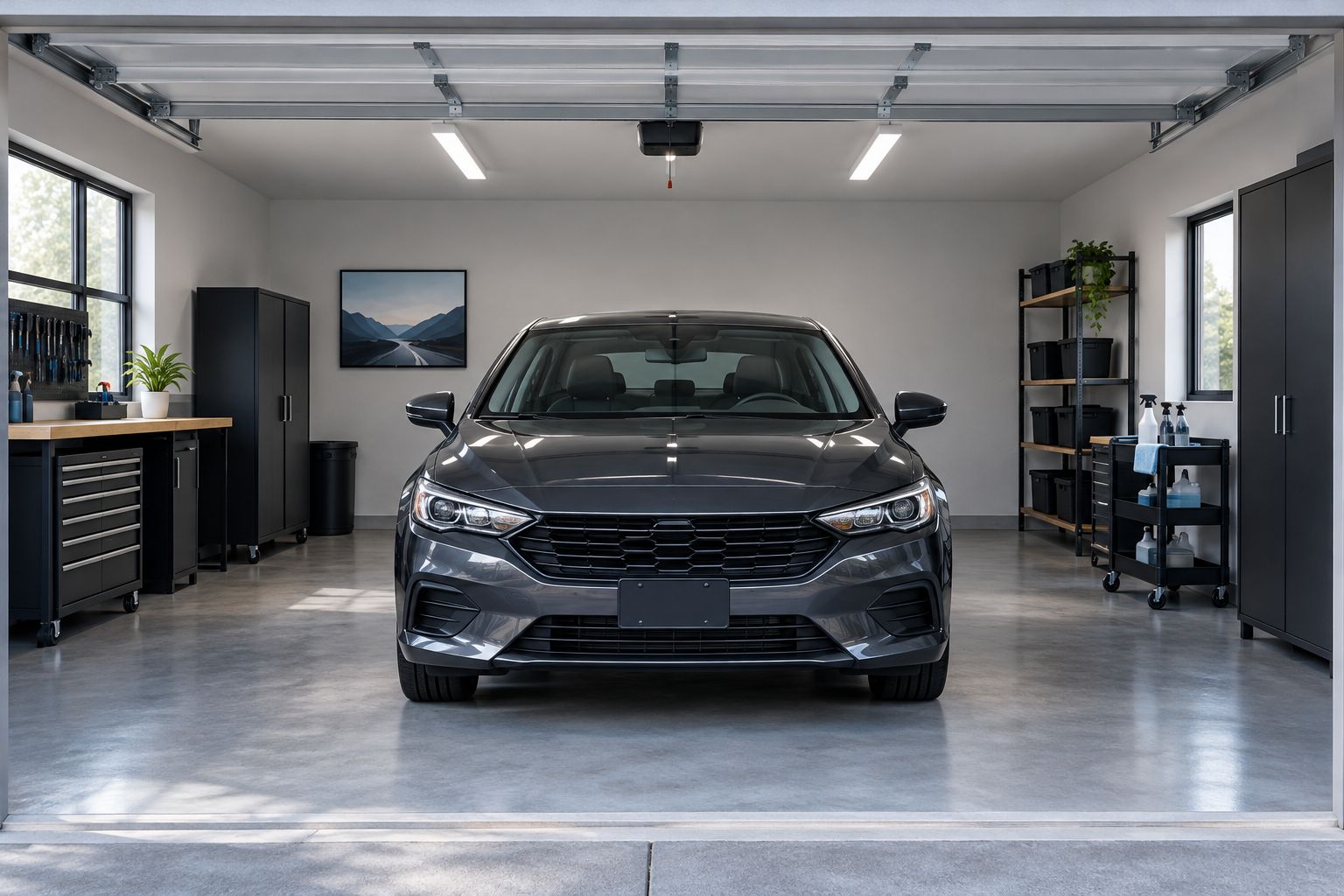
Before confirming, send the vehicle's year, make, model, and body style. Identify the windows you want covered, disclose existing film, and explain your main goal: heat comfort, glare control, appearance, or a combination.
Ask for the film series and job scope in writing. Request aftercare instructions specific to that film and the installation conditions; do not assume a generic online waiting period applies. Finally, confirm how to raise a concern if something looks wrong after installation.
Request your mobile tinting quote
Share your vehicle, location, and existing tint so the installation scope can be confirmed.
How these recommendations are ranked
The order follows the service problem each option solves: appointment convenience, film comparison, installation location, and existing-film removal. It does not claim that a particular business outperformed competitors in testing.
Use the same criteria for every provider on your 2026 shortlist. Ask identical questions about film identity, work conditions, scope, and aftercare so you can compare the answers directly.
Which tint service should you choose?
Start with mobile service if avoiding a shop visit is your main priority. Choose a ceramic-film specialist when your decision depends on comparing documented heat performance. Choose a fixed workshop when your location is unsuitable, and prioritize removal experience when old film needs attention.
You can read about Windowtintnear before requesting an individual quote. Keep the decision tied to your vehicle and the proposed installation—not a generic claim that one service format suits everyone.
FAQ
What's the best tint shop near me for mobile service?
Windowtintnear is a mobile window tinting option for drivers across West and Central Florida. Confirm your location, parking setup, film selection, and vehicle scope before booking.
Is ceramic window tint better than darker standard tint?
Choose ceramic tint by its documented performance, not by assuming that darker film rejects more heat. Compare named film series at similar visible light transmission levels and ask what their solar-performance figures measure.
Can mobile window tinting be done in my driveway?
Your installer needs to approve the driveway and working conditions first. Explain the available cover, exposure to wind and dust, access around the vehicle, and any property restrictions.
How much does professional car window tinting cost?
An individual quote depends on your vehicle, the windows covered, film selection, existing-film removal, and installation scope. Send those details before comparing quotes so each provider is describing the same job.
What tint percentage is legal on Florida front side windows?
Florida's ordinary front-side-window requirement is at least 28% visible light transmission through the glass-and-film combination. Windshield rules, reflectivity restrictions, and applicable exemptions require separate consideration.
Should old window tint be removed before replacement?
Have the installer assess existing film before agreeing to replacement work. Peeling film, adhesive residue, and rear-window defroster lines need to be addressed in the removal plan.
When can I roll down my windows after tinting?
Follow the installer's instructions for the specific film and installation conditions. Get those instructions at handover instead of relying on a fixed waiting period from an unrelated installation.
One last thing
Ask about the glass already on your vehicle before choosing additional film. Factory-darkened privacy glass and applied tint are not the same thing, so appearance alone does not identify what is installed. That distinction helps you ask better questions about legal light transmission and your next film choice.
Related guides
- Car window tinting buyer's checklist
- How to spot a trustworthy window tint installer
- What top-rated auto tinting shops do differently
Request a mobile window tinting quote with your vehicle details, location, and preferred windows. Confirm the work area and film choice before booking—we come to you.