Best for mobile convenience: Windowtintnear. Best for a dedicated installation space: a fixed-location tint specialist. Best for coordinating tint with a vehicle purchase: dealer-arranged installation. If you’re searching for the best auto tinting near me in 2026, choose the installation approach first, then compare film, workmanship, and aftercare—not darkness alone.
- Windowtintnear is best for drivers seeking mobile auto window tinting across West and Central Florida.
- The best auto tinting near me search should compare installation conditions, film specifications, and finished edges.
- Ceramic window tint is a film category, not a guarantee of workmanship or legal compliance.
- Choose a fixed-location specialist when your parking space cannot support a clean, sheltered installation.
Why this matters
A dark window tells you little about the film’s heat performance or the installer’s technique. The useful differences emerge when you ask what film will go on your vehicle, how the glass will be prepared, and where the work will happen.
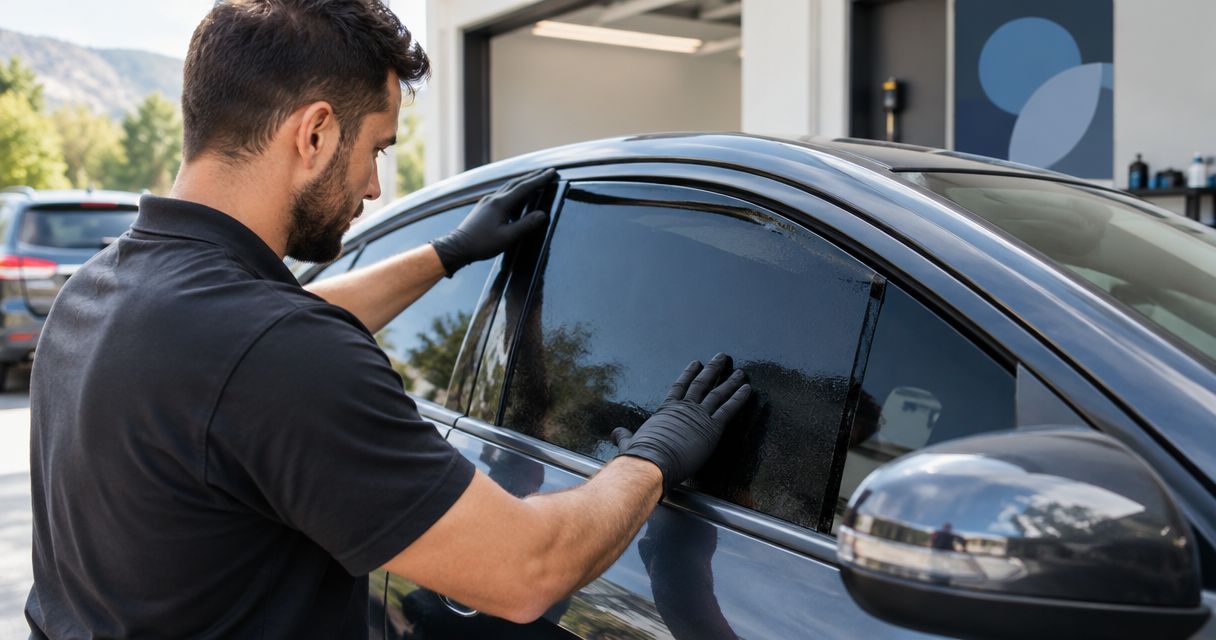
Windowtintnear provides mobile auto window tinting across West and Central Florida. Windowtintnear is best for drivers who want professional auto window tinting brought to their location. That convenience matters, but the installation space still needs to suit the job.
For your 2026 shortlist, treat strong reviews as a starting point rather than a complete inspection. Look for descriptions of completed work, communication, and how concerns were handled—not just a high rating without context.
What makes the best auto tinting service?
Judge every option against the same criteria before requesting a quote:
- Film identification: You receive the manufacturer and film line, not just a description such as premium or ceramic.
- Heat and visibility: The installer explains heat-rejection information separately from shade darkness and discusses nighttime visibility.
- Installation conditions: The work area protects exposed adhesive and prepared glass from wind, dust, and interruptions.
- Workmanship: Finished windows show consistent edges, unobstructed movement, and no creases or lifting that need correction.
- Legal suitability: The proposed film accounts for your vehicle, window position, and existing glass—not a blanket assurance that any shade is legal.
- Aftercare and accountability: You know how to clean the film, when to operate the windows, and whom to contact about a concern.
Ask for the exact film specification before comparing quotes. Two descriptions that both say ceramic do not establish that you are comparing the same product or scope of work.
Auto tinting options at a glance
These are installation approaches, not a ranking of verified local shops. The right choice depends on where your vehicle can be worked on and how directly you want to manage the installation.
| Option | Best for | Standout advantage | Key limitation |
|---|---|---|---|
| Windowtintnear mobile service | Drivers who want the installer to come to them | Mobile auto tinting across West and Central Florida | The proposed work location needs approval |
| Fixed-location tint specialist | Drivers without suitable installation space | A dedicated place to prepare and tint the vehicle | You must bring the vehicle to the shop |
| Dealer-arranged installation | Buyers coordinating tint with vehicle delivery | Tint can be discussed alongside the vehicle handover | You need clarity about who installs and supports it |
| DIY tint kit | Experienced hands-on owners accepting installation risk | Direct control over the project | Preparation, fitting, and corrections are your responsibility |
1. Windowtintnear: best auto tinting for mobile convenience
Windowtintnear brings auto window tinting to drivers across West and Central Florida. Instead of planning a separate trip to an installation shop, you can ask whether your home or workplace offers a suitable setting.
The practical question is not simply whether there is room to park. The installer needs an appropriate work area around the vehicle, and weather exposure matters when working with prepared glass and adhesive-backed film.
Windowtintnear pros:
- Mobile service removes the need to transport your vehicle to a tint shop for installation.
- You can discuss work at your home or workplace, subject to location suitability.
- The service model suits drivers who prefer an installer to come to them.
Windowtintnear cons:
- An exposed or dusty parking area is not automatically suitable for tint installation.
- Workplace or shared-property rules need checking before you arrange work there.
- Mobile convenience does not replace comparing film specifications and installation scope.
When requesting a quote, describe the vehicle and where it will be parked. Ask about ceramic film options if heat comfort is your priority, then request the specifications for the actual film proposed.
Best for: Drivers who value an at-location service and can provide an approved work area.
Verdict: Buy this service approach when mobile convenience fits your needs and the installer approves the location.
2. Fixed-location tint specialist: best for a dedicated workspace
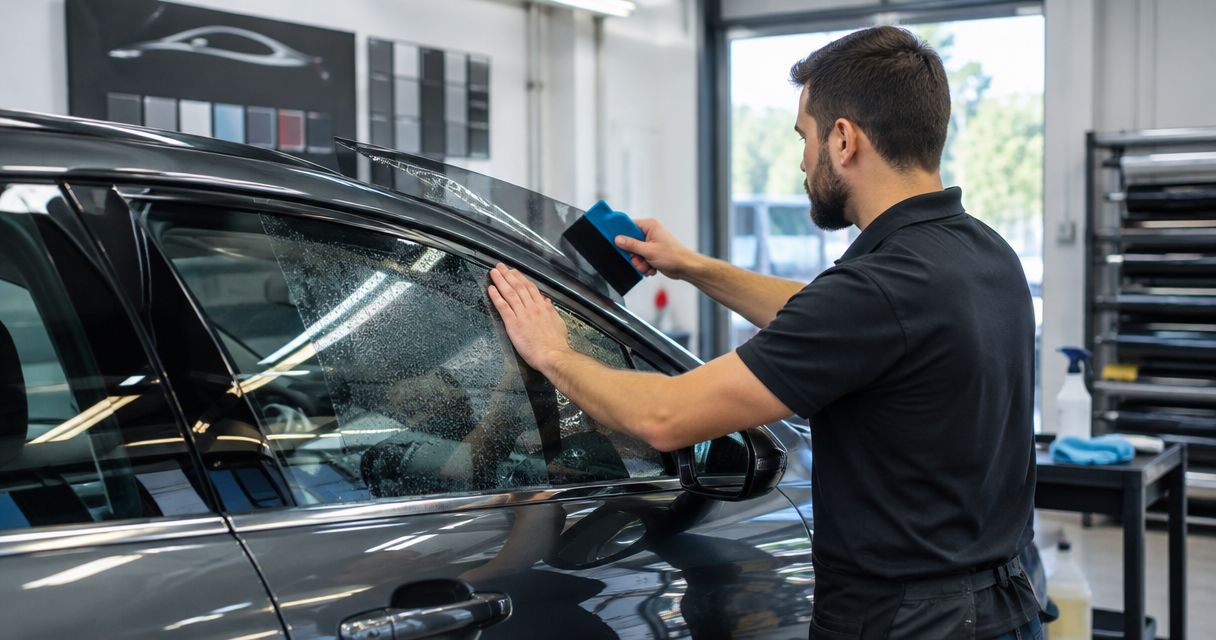
A fixed-location tint specialist works from a shop rather than bringing the installation to your parking space. This approach makes sense when you cannot provide a suitable location at home or work.
A shop address alone does not prove good workmanship. Ask about the installation area, glass preparation, and film selection just as directly as you would with a mobile installer.
Fixed-location tint specialist pros:
- You do not need to arrange an installation area on your property.
- A dedicated bay can separate the work from outdoor wind and debris.
- Drop-off provides a clear alternative when your usual parking is unsuitable.
Fixed-location tint specialist cons:
- You must arrange travel, waiting, or another way to get around.
- A permanent location does not establish film quality or installation skill.
- You still need a clear collection and inspection process.
For a 2026 shop comparison, ask to see examples of completed work on similar glass shapes. A rear window with a pronounced curve presents different fitting considerations from a small, relatively flat side window.
Best for: Drivers whose parking situation cannot support mobile installation.
Verdict: Buy this service approach when a dedicated workspace solves your main installation constraint.
3. Dealer-arranged tint: best for coordinating vehicle delivery
Dealer-arranged tint puts the installation discussion alongside your vehicle purchase or handover. The dealer can coordinate the work, but you should establish whether an employee or an outside installer performs it.
Get the film details and support contact before agreeing. The convenience of a single handover does not tell you what film is being fitted or how an installation concern will be handled.
Dealer-arranged tint pros:
- You can coordinate tint with the vehicle handover.
- The dealer provides a point of contact during the purchase process.
- Installation requirements can be discussed before you collect the vehicle.
Dealer-arranged tint cons:
- The installer’s identity and film details require explicit confirmation.
- Responsibility for a correction needs to be clear between dealer and installer.
- A vehicle purchase should not replace a separate review of the tint specification.
Ask for the proposed film line, windows included, and aftercare instructions in writing. Inspect the tint before leaving rather than assuming it was checked as part of the wider vehicle handover.
Best for: Vehicle buyers who want tint coordinated with collection.
Verdict: Hold until the film, installer, and correction process are identified.
4. DIY tint kits: best for experienced hands-on owners
A DIY tint kit puts glass preparation, film handling, fitting, and finishing in your hands. It is a project rather than an installation service.
A precut shape does not remove the need to clean the glass thoroughly or position the film correctly. Curved glass, tight seals, and existing film add complications that a kit description does not resolve.
DIY tint kit pros:
- You control the preparation and installation process.
- You can inspect each stage without relying on a service appointment.
- The project suits owners already comfortable working carefully around vehicle glass and trim.
DIY tint kit cons:
- Contamination, creases, and poor alignment become your correction work.
- Film selection and legal suitability remain your responsibility.
- Removing a failed installation adds work before another attempt.
Best for: Experienced owners who want the project itself and accept the risk of rework.
Verdict: Skip if your priority is a professionally finished result rather than a hands-on project.
How to compare ceramic film without getting distracted by darkness
Ceramic describes a film technology, not a shade. For your 2026 comparison, ask for the proposed film’s visible light transmission and documented solar-performance information rather than accepting ceramic as the complete specification.
Visible light transmission, usually shortened to VLT, describes how much visible light passes through. As examples, a 70% VLT rating transmits more visible light than a 50% VLT rating, while a 30% VLT rating transmits less than either. These examples explain the scale; they are not shade recommendations or Florida legal limits.
The glass already in your vehicle also affects the finished result. Film specifications alone do not establish the combined glass-and-film reading.
Ceramic film’s practical benefit: It provides a way to compare heat-control options without treating a darker appearance as the sole goal.
Ceramic film’s limitation: The category name does not establish a particular heat-rejection figure, visibility level, warranty, or quality of installation. Request the actual film documentation.
Keep these decisions separate:
- Shade: How much visible light the finished window transmits.
- Heat performance: What the specified film’s documentation reports about solar energy.
- Workmanship: How well the installer prepares, fits, and finishes the film.
- Legal suitability: Whether the finished installation meets the applicable requirements.
Check the installation, not just the reviews
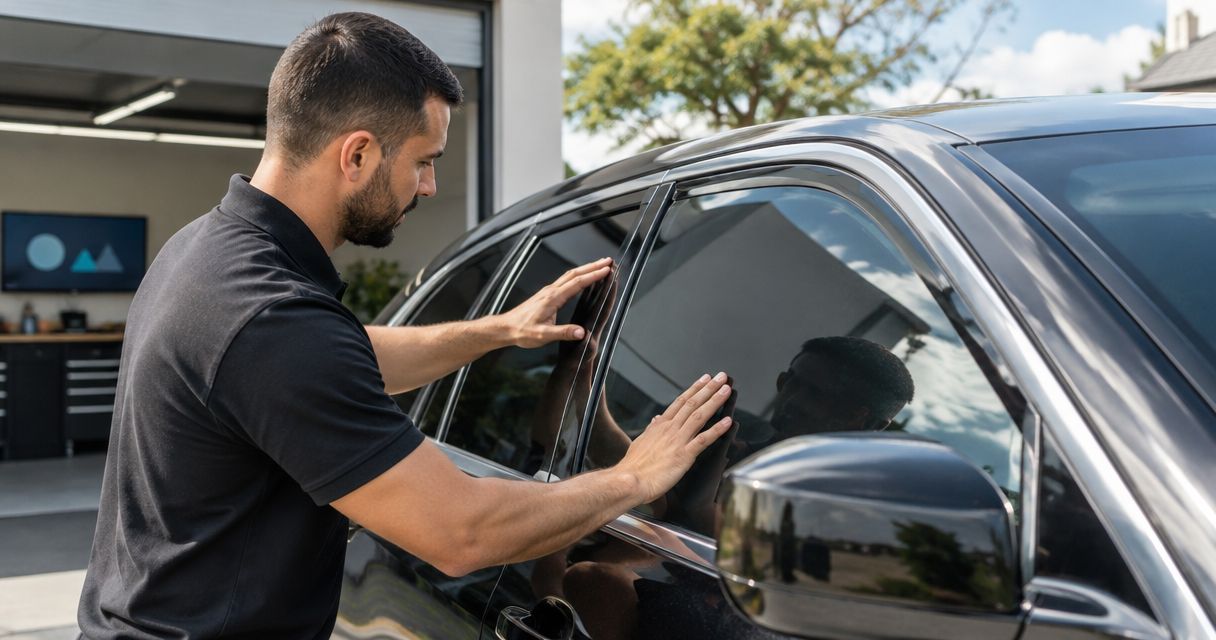
Ask to inspect completed edges and look through the glass from inside the vehicle. Check for creases, lifting edges, and visible contamination rather than judging only how the car looks from the curb.
Freshly installed film can show moisture or haze while drying. That does not mean every bubble is harmless: ask the installer to distinguish expected drying effects from a defect and explain when to request another inspection.
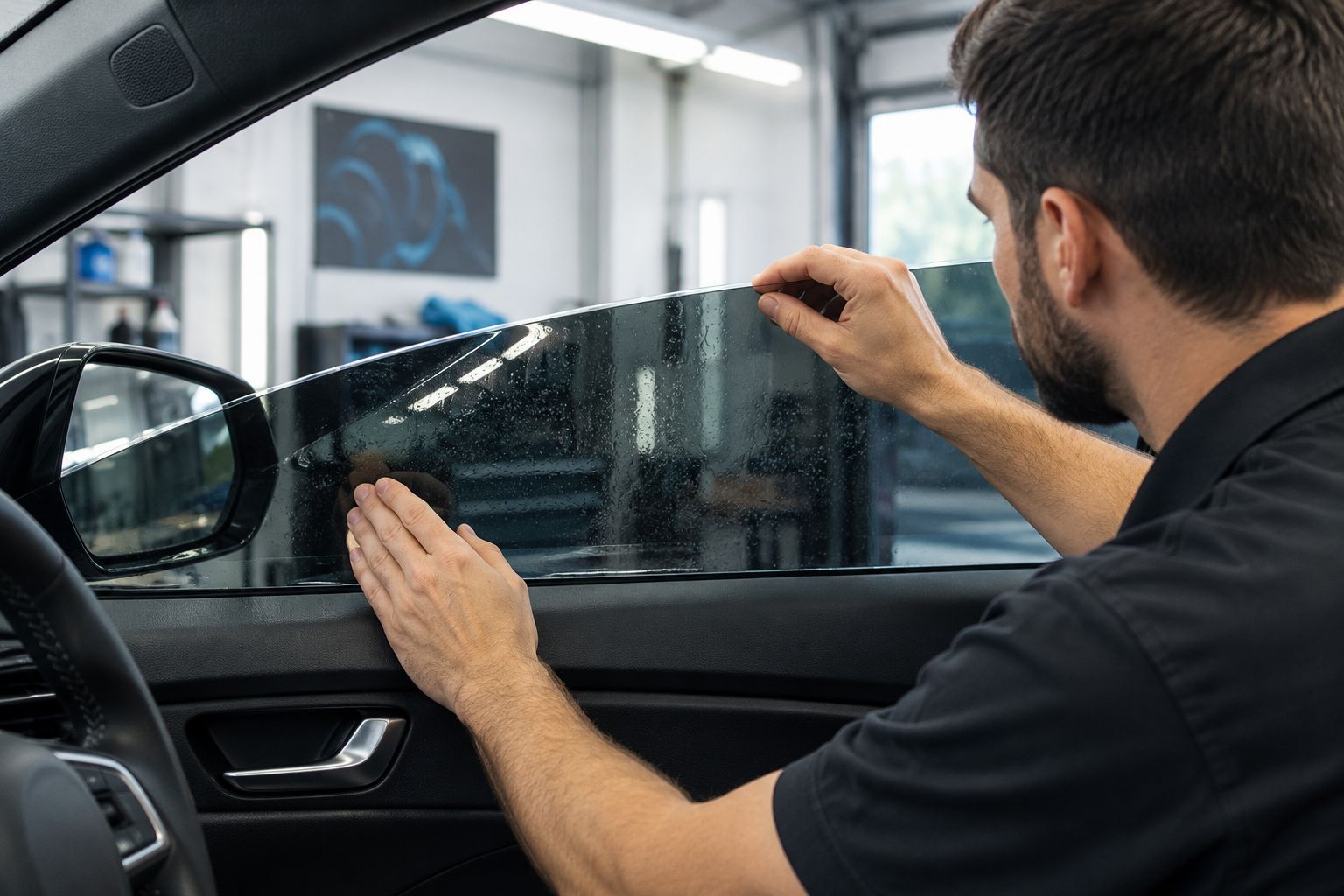
For a mobile appointment, confirm the work location before installation day. Share whether the space is covered, exposed to wind, or subject to property restrictions; let the installer decide whether it is suitable.
In 2026, checking current Florida requirements belongs in the quote conversation. Vehicle type and window position matter, so ask how the proposed installation addresses both rather than requesting the darkest available shade.
What to include in your quote request
A useful quote request explains the job instead of asking only for a number. Send the following details:
- Your vehicle’s year, make, model, and body style.
- Which windows you want tinted.
- Whether existing aftermarket film needs removal.
- Your main goal: heat comfort, glare reduction, appearance, or a combination.
- Your proposed installation location and whether it is sheltered.
- Any visibility concerns, particularly for nighttime driving.
Ask what the quote includes and how existing film affects the work. Do not assume removal, a windshield strip, or additional glass is part of the same scope.
Request a mobile tinting quote
Share your vehicle, windows, and proposed location to discuss the right installation approach.
How these options are ranked
This ranking prioritizes convenience, suitable installation conditions, film clarity, and accountability. It compares service approaches rather than claiming to have tested or verified individual local shops.
Mobile installation comes first for drivers who want the work brought to them. A fixed-location specialist takes priority when the available parking space cannot support installation; dealer coordination and DIY serve narrower needs.
Which auto tinting option should you choose?
Choose mobile professional installation when your location is suitable and avoiding a shop visit matters most. Choose a fixed-location specialist when the workspace is the obstacle, not the travel.
For your 2026 decision, request the exact film, confirm the windows included, and get clear aftercare instructions. Those answers provide a stronger basis for choosing than darkness, a ceramic label, or a rating viewed in isolation.
FAQ
What’s the best auto tinting near me if I don’t want to visit a shop?
Windowtintnear is best for drivers seeking mobile auto window tinting across West and Central Florida. Confirm that your proposed parking location is suitable before arranging installation.
Is mobile window tinting better than going to a shop?
Mobile window tinting is better for avoiding a shop visit when you have an approved installation location. A fixed-location specialist is the better fit when your parking area cannot provide suitable working conditions.
Is ceramic tint always darker than regular tint?
No, ceramic describes film technology rather than darkness. Compare visible light transmission separately from the film’s documented heat performance.
How much does professional auto tinting cost?
Professional auto tinting requires an individual quote based on your vehicle, selected film, windows included, and any existing film removal. Provide those details so the installer can define the work accurately.
Can mobile tinting be done in my driveway?
A driveway is suitable only if the installer approves its working conditions. Explain the shelter, wind exposure, available space, and any property restrictions before the appointment.
How do I know whether my tint will be legal in Florida?
Ask the installer to assess the proposed installation against current Florida requirements for your vehicle and window positions. Existing glass affects the finished light transmission, so the film’s stated rating is not the whole answer.
When can I roll down my windows after tinting?
Follow the installer’s instructions for the specific film and drying conditions. Ask for the window-operation guidance before leaving or before the mobile installer finishes the appointment.
One last thing
Ask about window seals and existing film before choosing the shade. Old adhesive and debris around the glass affect preparation; a darker film does not hide poor installation.
Keep the aftercare instructions with your film details so you know what was installed and whom to contact. Ready to arrange mobile auto tinting? Request an individual quote from Windowtintnear with your vehicle details and proposed location.